As the European Union prepares for a future of increasingly severe climate impacts, the challenge is not simply to adapt to a warmer world, but to prevent the worst consequences from becoming reality.
The world is preparing for a future that international climate agreements were designed to avert. On 27 October 2026, the European Commission presented a proposal for a European Climate Resilience Law, calling on Member States to prepare for a world facing up to 3°C of global warming by the end of the century. The significance of this announcement extends beyond the field of climate adaptation. It reflects a growing recognition that, despite decades of international negotiations and political commitments, collective climate action has failed to keep global warming within the limits established by the Paris Agreement. The world remains on a trajectory towards increasingly severe climate disruption, with far-reaching consequences for ecosystems, societies and human lives.
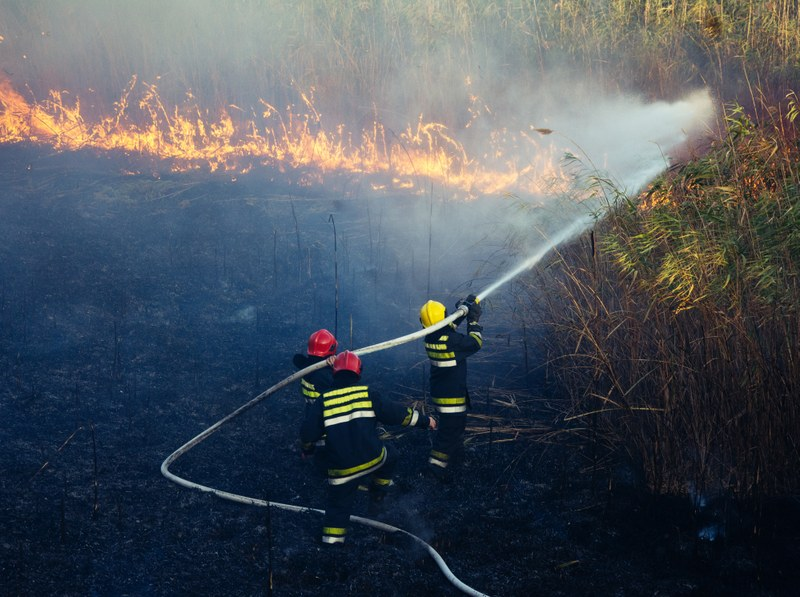
The proposal acknowledges that governments must prepare for a future of more frequent and intense heatwaves, floods, wildfires and droughts. Such preparation is both necessary and overdue. Yet there is an important distinction between recognising the scale of the risks ahead and accepting them as inevitable. The challenge is not only to build societies capable of withstanding a warmer world, but also to confront the political and economic failures that have brought us to this point.
The cost of a warming continent
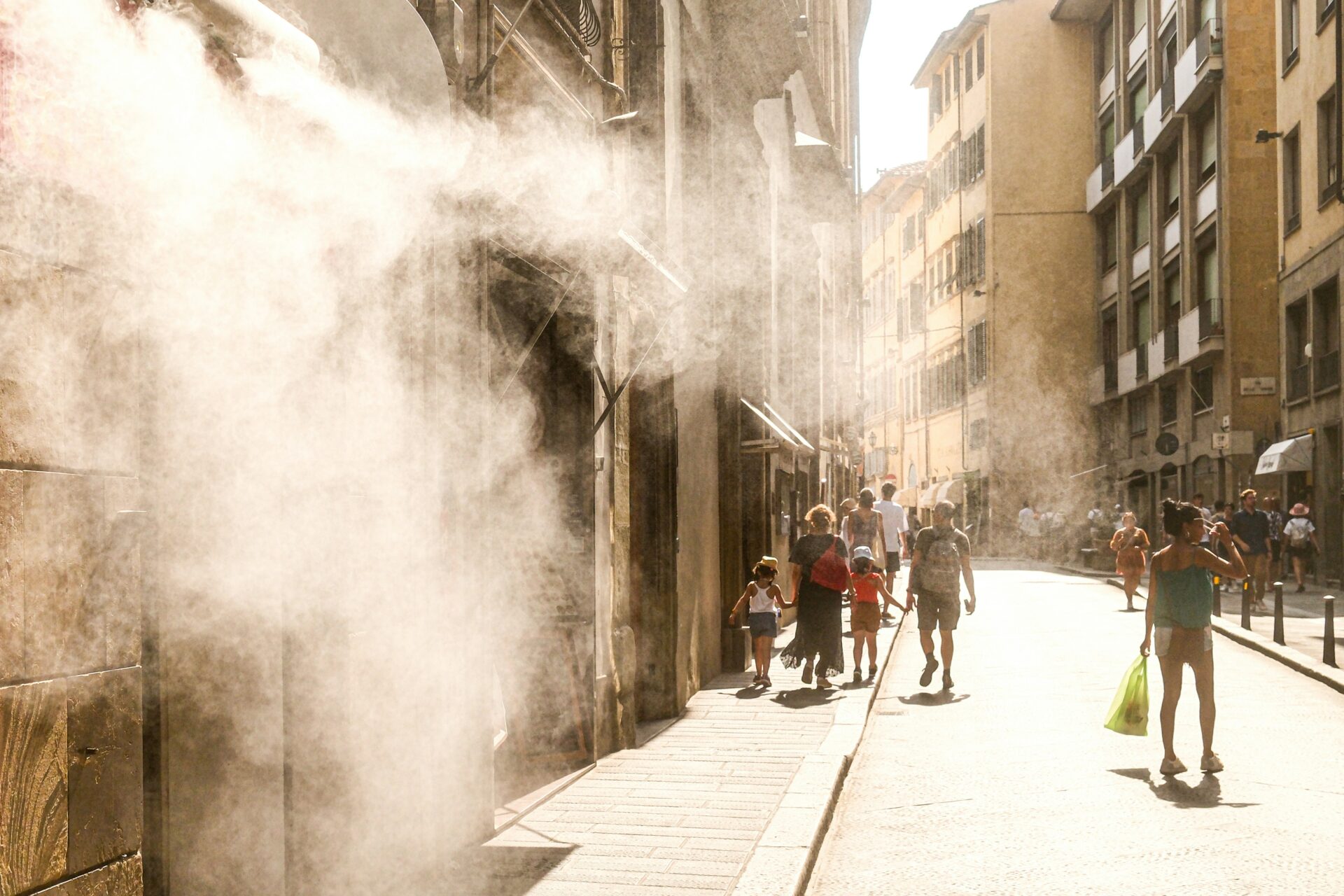
A 3°C warmer world would mean far more than higher average temperatures. It would profoundly alter the conditions in which people live, work and sustain their livelihoods. Extreme heat would place growing pressure on public health, particularly affecting older people, children and those already in vulnerable circumstances. Droughts would threaten agricultural production and water supplies, while floods and wildfires would put homes, infrastructure and entire communities at risk. These pressures are closely connected: prolonged heat and drought can undermine food production, intensify competition for water and increase the risk of wildfires, while extreme rainfall can overwhelm infrastructure and leave communities facing years of recovery.
The consequences are already visible across Europe. The devastating floods in Spain in 2024 demonstrated how quickly extreme weather can transform communities, taking lives, destroying livelihoods and leaving lasting social and economic damage. As reported by Copernicus, at least 232 people lost their lives in Valencia, with economic losses estimated at around €16.5 billion. More recently, the heatwaves of summer 2026 again exposed the human cost of a warming continent. A study published in Nature Health estimated 50,391 heat-related excess deaths across 854 European cities between June and August, with approximately two-thirds attributable to human-induced climate change. These are modelled estimates covering the cities studied, rather than a final count for the entire continent. Even so, they offer a stark indication of the scale of the threat. And these events, devastating as they are, provide only a glimpse of what a 3°C warming scenario could bring.
The scientific projections are particularly concerning for Southern Europe. According to the IPCC’s assessment of climate risks in Europe, the number of people exposed to heat stress and the associated risk of death could be two to three times higher at 3°C of global warming than at 1.5°C. The consequences would extend well beyond public health. Under the same warming scenario, maize yields could fall by as much as 50% in parts of Europe, particularly in the south, as heat and drought combine to undermine agricultural production. Water scarcity would also become significantly more severe: in Southern Europe, the risk of water scarcity is projected to double between 2°C and 3°C of global warming.
The economic costs of climate-related extremes are already substantial. According to the European Environment Agency’s latest assessment, weather- and climate-related events caused an estimated €920 billion in direct economic losses across the EU between 1980 and 2025. More than €270 billion of these losses occurred in the five years from 2021 to 2025 alone. These figures cover losses from extreme events and should not be interpreted as damages attributable exclusively to human-induced climate change. Nevertheless, they illustrate the growing scale of the challenge facing European societies.
A 3°C world would therefore not simply mean more of the extreme weather Europe has experienced in recent years. It would mean increasingly severe and interconnected pressures on health systems, food production, water supplies, infrastructure and the natural environment. Climate change is already reshaping the conditions in which people live. The scenario now being considered by European policymakers points to a far more profound disruption.
Preparing for the worst without accepting it
The prospect of a 3°C warmer world is deeply worrying, even if it represents a high-end planning scenario rather than an inevitable outcome. The very fact that governments must now incorporate such a possibility into their planning illustrates how far collective climate action has fallen short of the commitments made under the Paris Agreement. As the consequences become increasingly difficult to avoid, there is a risk that political ambition will give way to resignation, concentrating on managing the damage rather than challenging the systems and interests driving it. The danger is not preparedness itself, but the gradual acceptance of a future that remains possible to influence.
The stakes extend far beyond Europe. A 3°C world would have devastating consequences for the continent, but Europe remains a wealthy region, with comparatively strong infrastructure, public services and financial resources to invest in adaptation. Many countries in Africa, Asia, Latin America and the Pacific face far greater exposure to climate risks while having significantly fewer resources to respond. For communities already struggling with food insecurity, water scarcity, poverty and displacement, further warming could threaten the foundations of livelihoods and social stability. The countries and populations least responsible for the climate crisis are often those facing its most devastating consequences.
This disparity raises a fundamental question about the purpose and scope of climate resilience. International cooperation and adequate climate finance are indispensable, not simply as expressions of solidarity, but as part of a credible response to a global crisis. Europe’s responsibility cannot end at the protection of its own territory, economy and infrastructure. A world in which some societies can afford to defend themselves while others are left to absorb the consequences would reproduce, and deepen, existing inequalities. The principles of human dignity, solidarity and care for our planet demand a response that extends beyond national borders and immediate economic interests.
Preparing for climate impacts is a sign of responsible governance. Governments have a duty to anticipate risks, protect their populations and strengthen the resilience of public services, infrastructure and communities. But preparedness must not lead to a world of fortresses, in which wealthy societies concentrate on protecting themselves, or of sacrificial zones, where certain territories and populations are effectively abandoned to the consequences of climate breakdown. Nor can it become an expression of political cynicism: the belief that the crisis is already beyond control and that efforts to reduce emissions are therefore futile.
A 3°C world should be understood as a warning, not an acceptable destination. The task is to prepare for the impacts that can no longer be avoided while continuing to prevent those that can. This requires governments to strengthen resilience while accelerating emissions reductions and moving away from fossil fuels. It also requires political courage, collective responsibility and a renewed commitment to solidarity and care for our planet. We must resist both the temptation to build walls against a warming world and the temptation to give up on changing its course. Preparing for the worst is necessary; accepting it as inevitable is not.
Telmo Olascoaga
JESC Ecology Officer